
The Consumer Survey Cover
The Pale HorseA seemingly routine research business provides the information and access that allow Osborne to poison selected victims without appearing connected to them.
increasing Bearing strength in each event
 decreasing
Bearing strength in each eventdecreasingOrdinary Questions
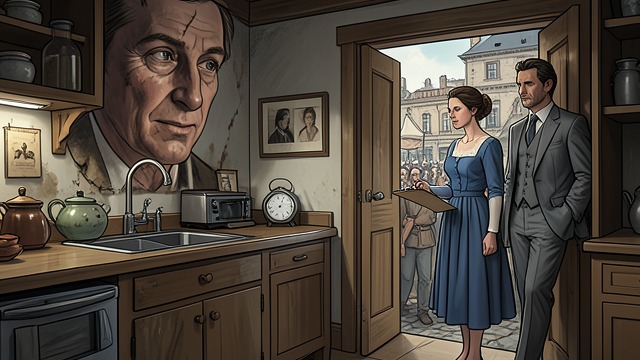
A Plausible Household Visit
Products and Preferences
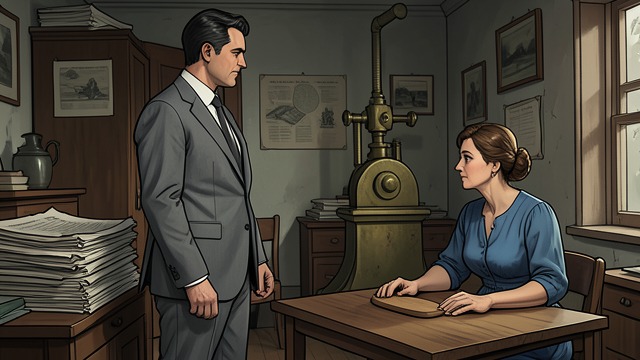
C.R.C. workers ask households about food, cosmetics, medicines, and other everyday goods. Eileen Brandon notices that the questions do not follow a coherent research program.
The routine nature of the work makes people willing to answer. Information about a victim’s habits can be collected without the intrusion appearing suspicious.
A Worker’s Doubt
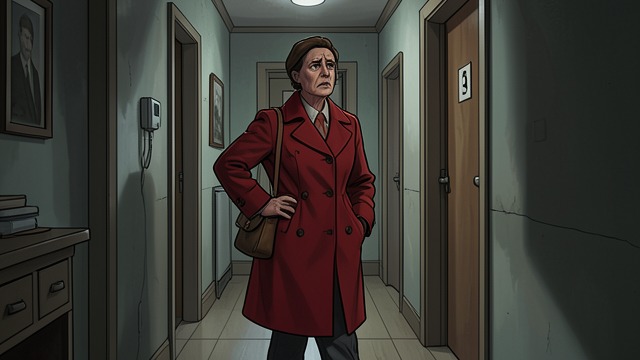
A Cloak Without an Explanation
Suspecting a Second Purpose
Brandon considers whether the surveys might be a cover for burglary, but the questions do not map homes or establish when occupants are absent. She eventually leaves because the enterprise feels wrong.
Her suspicion remains incomplete, yet it gives Lejeune an independent witness who can describe the firm’s irregular practices. What she cannot identify is the hidden activity those practices serve.
Davis’s Typhoid Mary Joke
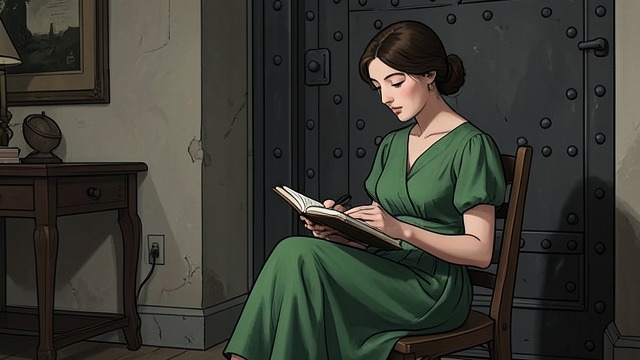
A Pattern Seen but Unnamed
Coincidence Becomes Unease
Davis notices that people she has visited sometimes die soon afterward and jokes that she is like Typhoid Mary. She also recalls Ormerod, who looked healthy when she saw him.
Her remarks express unease without a clear explanation. They help establish that the victims may have been selected through her lists of household visits.
The Product Substitution
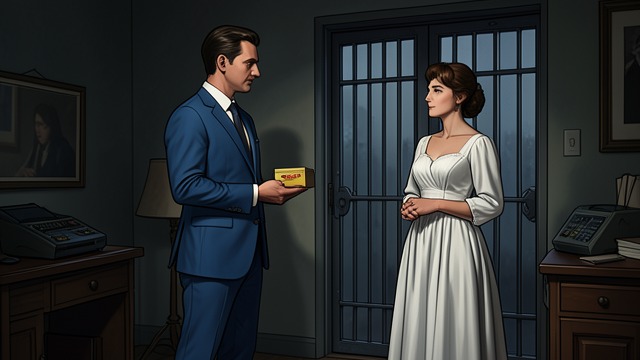
Information Enables Access
The Disguised Operative
The survey answers reveal which ordinary product a victim uses. A later visitor posing as a porter, meter reader, or tradesman can substitute a poisoned preparation while appearing to perform legitimate work.
The method separates information-gathering from murder. Workers may remain unaware of the plan, and the actual killer needs only a brief visit.
A Mundane Route to Murder
The Survey’s True Function
From Data to Death
Lejeune explains that the consumer-research questions are useful precisely because they look trivial. Answers about medicine or toiletries help Osborne choose what to replace, while the operation’s other participants know only part of the scheme.
The everyday survey is the opposite of the occult spectacle: ordinary, repeatable, and difficult to remember as threatening. Its familiarity is what makes the cover effective.
During Eileen Brandon’s employment at C.R.C.
After Brandon becomes uneasy about the assignments
After several survey subjects have died
As Lejeune reconstructs the method after Ginger’s illness
During the final explanation at Priors Court
